


意外
竞逐全球“箱”当给力,江苏向海而新“要”来了什么?,竞逐全球“箱”当给力,江苏向海而新“要”来了什么?_我的网站

一 |
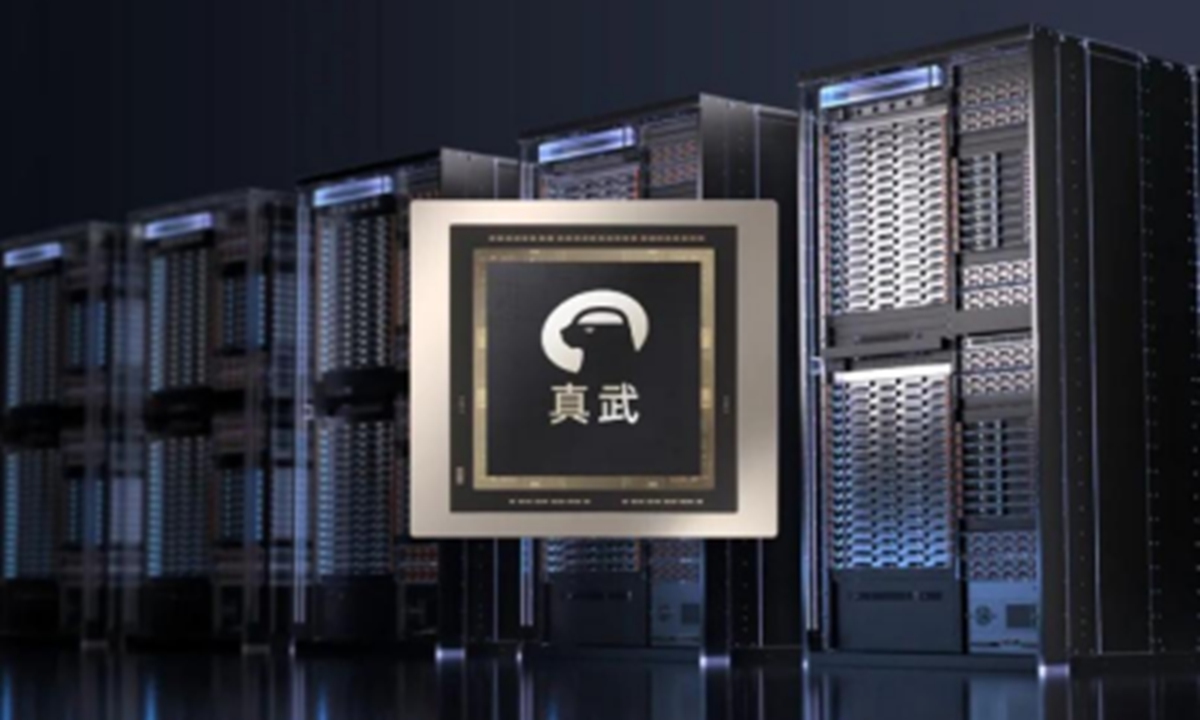
The instance is designed to handle inference for mixture-of-experts models with up to 10 trillion parameters, the company said in a statement sent to the Global Times on Wednesday.
This marks the first supernode-form computing architecture in China to successfully run large language models exceeding 2 trillion parameters, according to the company.
Industry expert Tian Feng told the Global Times that the commercial rollout of supernode infrastructure could significantly reduce training cycles, lower costs, and speed up iteration for AI developers requiring massive computational resources.
The company said the new instance has already been used to power commercial services for large language models such as KimiK3 and Qwen3.8Max.
The Lingjun Zhenwu M890 supernode instance supports FP8/FP4 low-precision computing. Through the ICNSwitch 1.0 chip, its scale-up interconnect scale has been expanded from 16 cards to 64 cards, with inter-card interconnect bandwidth boosted to 800 GB/s. Enterprises can provision 64-card, high-speed-interconnect computing units through the cloud without building their own data centers, according to the company.
In training scenarios such as autonomous driving and embodied intelligence, the instance delivers three times the training performance compared with the previous-generation Zhenwu 810E, the company said.
Ulanqab, where the supernode instance debuted, is one of Alibaba Cloud's five super data centers. The facility sources approximately 90 percent of its electricity from green energy, providing a low-carbon operating environment for high-density computing power.
Leveraging its climate, energy and network advantages, Ulanqab has transformed from "China's potato hometown" into the "token factory" - a term increasingly used in the AI industry to describe infrastructure dedicated to producing the digital building blocks generated by large language models.
By the end of 2025, the city had attracted 84 data center projects, including 81 intelligent computing centers, with total investment exceeding 500 billion yuan ($74.1 billion) and operational computing power reaching approximately 172,000 petaflops, ranking it firmly in the nation's top tier, according to domestic media reports.
On August 6, China's largest AI computing industrial park was completed and put into operation in Ulanqab. The project highlights a broader race in China to build massive AI data centers capable of supporting the next generation of AI models while addressing soaring electricity demand, according to Chinese experts.
In recent years, Inner Mongolia has been rapidly positioning itself as a global-scale AI computing center cluster. Major technology companies, including Huawei, Tencent, ByteDance and Alibaba; telecom operators China Mobile, China Telecom and China Unicom; as well as cyberspace infrastructure service provider VNET, have established computing facilities in the region.
As the AI industry gradually transitions from the training era to the inference era and large model parameters continue to expand, supernodes have become a central battleground for AI infrastructure.
Chinese vendors are accelerating deployments in this space. Huawei has commercially deployed more than 750 sets of its Ascend 384 supernodes across industries including internet, telecom operators, finance, education, healthcare, transportation and manufacturing. It is also the only domestic supernode to have trained state-of-the-art (SOTA) models.
Baidu AI Cloud has also launched its Tianchi 256-card supernode based on Kunlun chips, with support for major models including Wenxin, DeepSeek, GLM, and MiniMax.
Meanwhile, supercomputer manufacturer Sugon has unveiled China's first fully domestic 100,000-card AI supercluster Sugon 8000 (Dengfeng), integrating supercomputing and AI computing on a unified architecture. It has now been connected to the national supercomputing internet to provide computing services to government, research, and enterprise clients nationwide.
Tian, former dean of SenseTime's Intelligence Industry Research Institute, told the Global Times that the flurry of domestic supernode launches reflects a broader inflection point as China's AI sector pivots from training capacity toward efficient, large-scale inference.
The expert further said that the commercial viability of these systems - evidenced by Huawei's extensive deployed base, Baidu's rapid model adaptation and Sugon's integration into the national computing network - suggests domestic vendors are moving beyond proof-of-concept to genuine production-grade infrastructure, a prerequisite for sustaining the next wave of trillion-parameter model proliferation, Tian noted.
The move also underscores China's push for self-reliance in AI infrastructure as US chip export restrictions continue to tighten, Tian said, noting that, in the supernode domain, Chinese companies are shifting from imported graphics processing units toward homegrown interconnect chips and domestic compute clusters, a transition that could reshape value allocation across the AI industry chain.
。 凌晨,从连云港行至黄海深处的“苏海1号”,全自动投喂系统启动,近40万尾三文鱼争相摄食;夜色,一艘艘巨轮即将交付远航;淮海腹地,徐州陆港的班列鸣笛启程,8小时后将从连云港装船出海。

二 | 954公里海岸线上,这样的场景每天都在上演。 从港口到深海,从科研实验室到滩涂,江苏向海图强的画卷正徐徐展开。向海而新的深厚底气从何而来?现代快报记者随“机遇中国 ‘箱’当给力”网络主题活动暨连云港“向海而新”全媒体调研行动,深入港口码头、科研实验室与特色产业园,探寻从集装箱到海洋经济,再到“经济大省发展底盘稳”的江苏支撑。 向深海要“粮仓”:一只虾背后的“蓝色突围” 在连云港,“靠海吃海”不是撒网捕捞那么简单。在黄海海域,“苏海1号”依托“游弋式”生产模式,帮助三文鱼“逐水温而居”,同时可以规避台风等自然灾害风险,让三文鱼摆脱了“靠天吃饭”的宿命。在南极冰海,“深蓝号”凭借全球领先的连续泵吸捕捞系统,实现了从活虾捕捞到虾粉加工仅需1.5小时的高效作业,蛋白提取效率提升42%。无论是“苏海1号”,还是“深蓝号”,都已成为江苏筑牢“蓝色粮仓”的标杆项目。 船回连云港,产业链才真正合龙。

三 | 陆地上的南极磷虾产业园里,磷虾油生产线稳定运转,未来年产值将突破20亿元。从近海贝藻参生态养殖到深海智能养殖工船,从南极磷虾精深加工到“赣榆海鲜”品牌畅销全国,一座“江苏海鲜厨房”在黄海之滨悄然崛起。这些来自深海的优质蛋白,正通过冷链物流和电商渠道端上全国餐桌,也经由港口发往海外市场。

四 | “深蓝号”堪称“海上移动工厂”,在运营方江苏深蓝远洋渔业有限公司的智慧大屏上,可以实时看到“深蓝号”在海上的情况。公司综合管理部经理张章介绍,总投资约10亿元的第二艘磷虾捕捞加工船“深极号”正进入建造设计阶段。 连云港的向海探索并非个案。泰州港拥有规模领先的专业化粮油码头,还配套了7万吨级的散粮泊位。益海、汇福这些国内粮油龙头企业,全都在泰州港周边落了户。

五 | 依托港区建起了“装卸—仓储—贸易—精深加工”全产业链,形成了特色鲜明的“前港后厂”发展格局。靠着通江达海的区位优势,泰州港已经成了“北粮南运、外粮内运”进入长江下游的核心枢纽。值得一提的是,泰州本地出产的麦芽,品质特别好,是啤酒酿造的上等原料,在海外市场一直供不应求,早就成了泰州港常年稳定外运的“爆款单品”。

六 | 向港口要“通道”:从“出海口”到“枢纽港”的陆海联动 从黄海之滨到全球深蓝,江苏港口打造了联通陆海、辐射全球的世界级综合性枢纽港。

七 | 在南京港龙潭集装箱码头,“维托利亚”轮满载国产工程设备与车辆鸣笛启航,直驶美国休斯敦港,这标志着南京港首条直达美国的远洋航线正式开通。船上装载设备车辆400余件,货值约1470万美元,航程约40天。南京港坐拥长江12.5米深水航道终点优势,正加快“远洋稳定、近洋加密”外贸直航航线建设。“新新海2”轮始发北极航线,直达阿尔汉格尔斯克,南京港北极航线完成扩容升级,江海联运枢纽优势持续放大。 在位于连云港的中哈物流基地里,中欧班列满载“江苏制造”沿新亚欧大陆桥向西奔去,远洋货轮卸下中亚货物,又装上“江苏好物”直通海外。“家乡小麦、矿产等产品有了稳定出海通道,中国商品也能高效运往中亚内陆。”连云港中哈国际物流有限公司副总经理阿金汉说,有了海铁联运中转模式后,货物中转效率提升七成。 当哈萨克斯坦的小麦通过中哈物流基地进入中国市场,“徐州造”工程机械也从连云港装船驶向全球,一条纵贯东西、横连南北的陆海联动黄金通道正在江苏延展。徐州依托淮海国际陆港,把出海口“搬”到企业门口,铁水联运8小时直达连云港,中欧班列通达30余国;南通“八龙过江”加速推进,北沿江高铁、通苏嘉甬高铁建设正酣,公铁水多式联运助其崛起为长三角北翼开放新前沿;盐城加快河海联动,推动盐城港跻身全国主要港口。

八 | 截至2025年底,江苏省港口集团运营集装箱航线223条,其中近远洋干线45条,航线版图延伸至黑海、中东、东南亚、日韩等地。

九 | 今年集团计划有序新开或加密红海、波罗的海等多条外贸航线,持续织密海运网络。 向海岸要“未来”:美丽海湾与蓝绿相融的“诗与远方” 傍晚时分,在连云港连岛,落日余晖铺洒海岸,山海相拥的滨海画卷徐徐展开。连云区连岛街道西连岛村老渔民张玉柱感慨:“我在岛上生活了快70年,眼看着这片海越来越干净、漂亮,住得更舒坦了。”依托山海生态资源,连岛成功创建5A级景区,国内首例“海州湾之星”海上邮轮酒店投入运营,连岛音乐节、铁人三项亚洲杯赛持续引流,2025年全市文旅载体累计接待游客超7200万人次。 连云港在大力发展港口经济的同时,还促进了海旅融合,越来越多的人追海而来。海外游子龙飞也是其中之一。“我们连云港的海比国外还美。”龙飞放弃了海外高管职位,毅然回到家乡,承接了连岛环岛市集的运营。“目前,市集吸引了20多家商户入驻,有餐饮、旅拍等,未来还要打造海景酒店,让游客在这里能吹着海风,看着海景,吃着海鲜,享受惬意。” 江苏沿海各市都在用生态治理重塑海岸线。

十 | 全国单笔规模最大的滨海盐沼司法蓝碳交易在连云港落地,涉及碳汇量1055吨、交易金额21.1万元,将滨海盐沼的生态固碳功能转化为可交易、可变现的生态资产。南通启东长江入海口生态修复工程覆盖400多公顷滩涂,修复区已观测到66种鸟类,曾经的互花米草荒滩变成了候鸟天堂。盐城依托世界自然遗产湿地资源,率先将海上风电吸力锚技术引入深远海养殖,实现“风机发电、光伏补电、网箱养鱼”立体开发,国际湿地特色现代海洋城市的蓝图徐徐展开。

十一 | 生态向好,人气随之而来。2026年1—5月份,江苏沿海三市接待入境过夜游客9.8万人次,同比增长7.2%,“看海、观鸟、品鲜”正成为长三角乃至全国游客的新选择。而这一切的背后,是江苏对海洋生态治理的久久为功。 向海要“动能”:人才与创新激活蓝色新质生产力 2026年3月5日下午,中共中央总书记、国家主席、中央军委主席习近平参加他所在的十四届全国人大四次会议江苏代表团审议时强调,经济大省发展底盘稳、抵御外部冲击能力强,才能支撑全国经济大盘稳定。江苏要在增强经济韧性上持续用力。要练好内功、做强自身,全面融入全国统一大市场,助力畅通国内大循环。要扩大高水平对外开放,广泛开拓全球市场,更好联通国际循环。

十二 | 如今,一只又一只集装箱的繁忙旅程,生动展现了江苏作为全球重要物流枢纽的高效、开放与活力,以及背后中国经济的蓬勃发展与机遇。 在这片向海图强的热土上,江苏海洋大学紧扣海洋新质生产力培育与产业发展现实需求,以“四海五蓝”战略为牵引,推动学科、人才、科研、育人体系向海迭代升级。

十三 | “近两年超七成毕业生留苏就业、33%扎根连云港、15%投身涉海产业,形成‘立足沿海、辐射全省、服务海洋’的人才就业格局。”江苏海洋大学党委书记汤建介绍,在科技创新上,学校聚焦“五蓝”方向,形成了一批落地见效的标志性成果。深耕蓝色粮仓,选育青蛤新品种,推广多项特色水产养殖技术,延伸渔业加工产业链;攻坚蓝色药库,攻关合成生物学工具酶等“卡脖子”技术,推动海洋生物制品产业化;赋能蓝色工程,研发智能海洋探测无人船、视觉助航系统等智能海工装备,服务大型航道建设;迭代蓝色材料,研发多种高性能海洋工程新材料,实现绿色低碳产业化应用;守护蓝色家园,突破绿潮处置、滩涂修复技术,打造碳汇示范基地,依托智库成果助力海洋治理,多项技术落地涉海重点项目,高效实现产业转化。 正是这样的创新驱动与人才支撑,让连云港的蓝色梦想照进现实,也让江苏在全国海洋经济版图中的坐标愈发清晰。放眼全国,今年上半年海洋生产总值达5.5万亿元,同比增长5.1%,高于国内生产总值增速;深海硬核科技持续突破,海船新接订单量、完工量、手持订单量三大指标继续领跑全球,新承接海工订单金额同比增长121.9%,占全球市场份额八成以上。 坐拥3.75万平方公里管辖海域、954公里海岸线,江苏正以澎湃的蓝色动能滋养8500万江海儿女,在碧海蓝天之间,走出一条蓝绿交织、陆海联动、产城融合的高质量发展之路。面向未来,江苏将继续锚定海洋强省建设目标,因地制宜发展海洋新质生产力,加快构建特色鲜明、优势突出的现代海洋产业体系,为海洋强国建设贡献更多“江苏力量”。

十四 | 记者:杨晓冬 刘伟娟 花宇 王菲 张晓培 来源:现代快报。
Current article:http://loo.zongchaeiwengshuabaisisuofu.sbs/list_mx3j5n/doak92s.html
Published on:13:53:35
 Kiara Advani Celebrates Her First Christmas After Embracing Motherhood
 Activist runs 9,000 miles across Australia to raise support for Indigenous Voice
 “重泵”出击 强排内涝
 王上源1v2关键拦截!媒体人:救国足一命!传过去就是半场大单刀
 少年被警察打伤4个月未获赔偿,家属发声
 Record fine for Aus casino operator over money laundering
 华培动力:副总经理李燕辞职
 民进党当局再度拒绝执行“三读”通过的法案 韩国瑜呛:该落实的监督寸步不让
 德国股市上涨,截至收盘DAX 30上涨2.40%_股票_指数
 中信证券接手蔚来旗下合肥蔚能创新电池科技公司
 定档!南马十年!2026南京马拉松开启报名,全新规则速看
 每日限流3万人次 五一假期陕西黄河壶口瀑布实名预约购票